
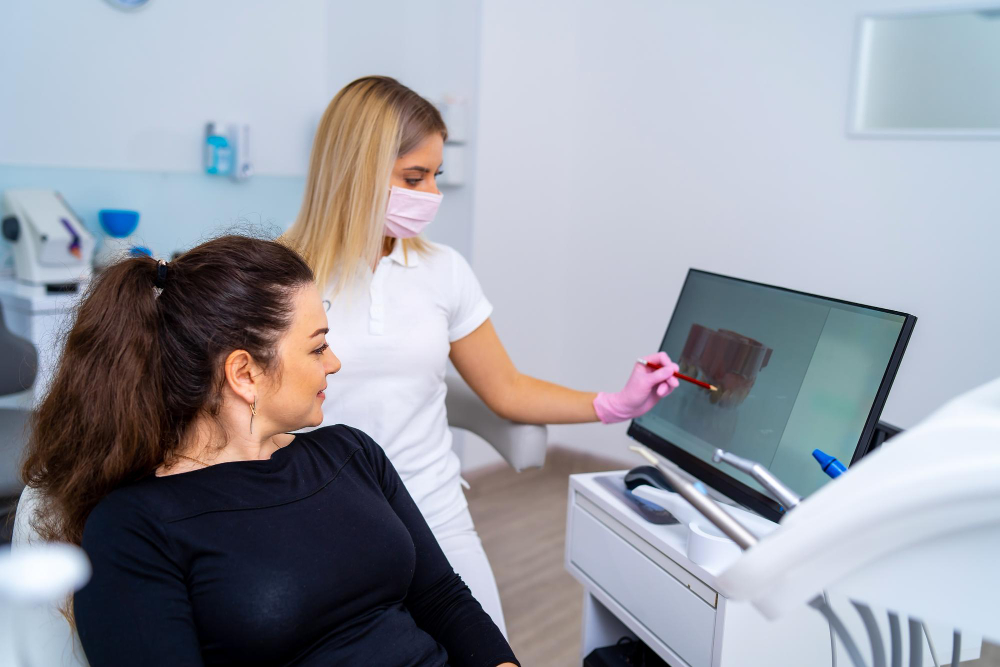
Intraoral scanners are changing how dentists care for your teeth. These devices use modern dental technology to create digital dental impressions. As a result, both patients and dentists enjoy a smoother, more comfortable experience. In this blog, we will explain the importance of intraoral scanner in dentistry, how they work, and why they matter for your dental health.
What Is an Intraoral Scanner?
An intraoral scanner is a small, handheld device. Dentists use it to take pictures inside your mouth. Instead of using messy molds, the scanner creates a digital model of your teeth. This process is quick and easy. Because of this, many dental clinics now use intraoral scanners for different treatments.
How Intraoral Scanners Work
First, the dentist gently moves the scanner over your teeth and gums. The scanner takes thousands of pictures in seconds. Then, special software combines these images to make a 3D digital model. This model helps dentists plan treatments with great accuracy. Moreover, the process is safe and painless.
Benefits of Intraoral Scanners for Patients
Intraoral scanners offer many benefits for patients. For example, they make dental visits more comfortable. Here are some key advantages:
Because of these benefits, patient comfort in dentistry has improved greatly.
Advantages for Dentists and Dental Practices
Not only do patients benefit, but dentists also gain many advantages. For instance, digital dental impressions are more precise. This leads to better treatment results. Additionally, dentists can share digital files quickly with dental labs. This speeds up the process for crowns, bridges, and aligners. Furthermore, digital records are easy to store and review. As a result, dental practices can offer modern dental technology and improve patient care.
Comparison: Intraoral Scanners vs. Traditional Impressions
Traditional impressions use trays filled with soft material. You bite down and wait for it to harden. However, this can be messy and uncomfortable. In contrast, intraoral scanners are clean and quick. Here is a simple comparison:
Because of these reasons, many dentists now prefer intraoral scanners.
Common Uses in Dental Treatments
Intraoral scanners help with many dental treatments. For example, they are used for:
As technology improves, scanners will play a bigger role in dental care.
Are Intraoral Scanners Safe?
Yes, intraoral scanners are safe for both children and adults. They use light to scan your mouth, not radiation. According to the World Health Organization and dental journals, there are no known risks from using these devices. In fact, the process is gentle and does not harm your teeth or gums.
Future of Intraoral Scanning in Dentistry
Looking ahead, intraoral scanners will become even more common. New features will make scans faster and more detailed. As a result, dental care will keep getting better. Patients can expect more comfort and better results. Dentists will also be able to treat problems earlier and more accurately.
In summary, intraoral scanners are an important part of modern dental technology. They improve patient comfort, speed up treatments, and help dentists provide better care. Consult your dentist at Dr. Sudeep Bhalerao‘s clinic to learn how intraoral scanners can improve your dental experience.